

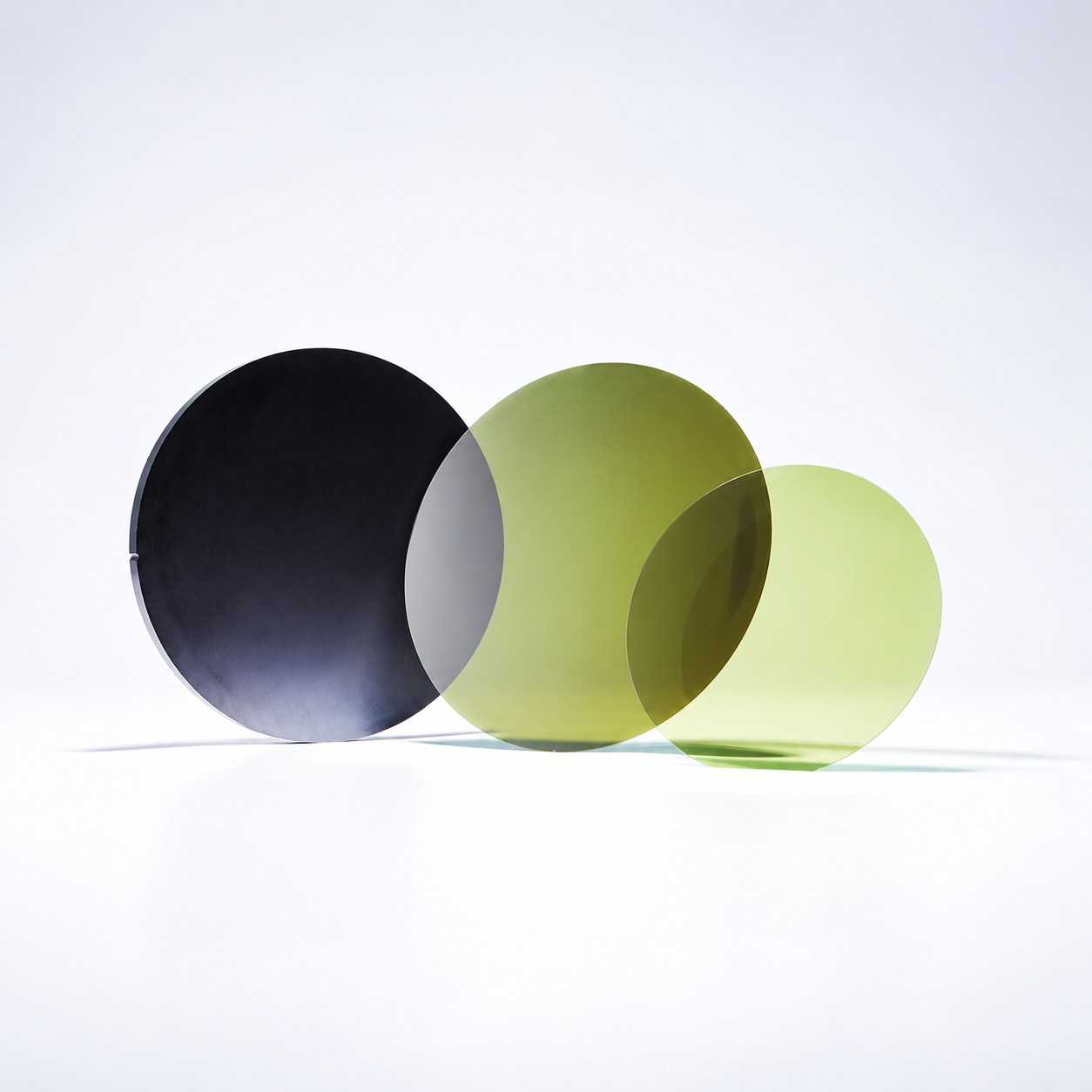

Silicon (Si) has been the foundation of the semiconductor industry for decades. From microprocessors and memory chips to sensors and power devices, silicon plays a central role in modern electronics.
However, as demand grows for higher efficiency, greater power density, and improved thermal performance, another semiconductor material has become increasingly important: silicon carbide (SiC).
Silicon carbide offers several advantages over conventional silicon, particularly in high-voltage and high-power applications. But does that mean SiC will replace silicon entirely?
To understand the answer, we need to examine how these materials differ in their physical properties, manufacturing challenges, and practical applications.
1. What Is Silicon?
Silicon is a semiconductor element with the chemical symbol Si. It is widely used in electronic devices because of its well-established electrical properties, abundant raw materials, and highly developed manufacturing infrastructure.
Silicon wafers provide the foundation for many of today’s integrated circuits, including processors, memory chips, image sensors, and power semiconductor devices.
One of silicon’s greatest advantages is its mature manufacturing ecosystem. Decades of development have enabled manufacturers to produce high-quality wafers at large scale, with sophisticated processing technologies and relatively competitive costs.
Nevertheless, conventional silicon power devices face physical limitations as operating voltages, temperatures, and switching frequencies increase.
2. What Is Silicon Carbide?
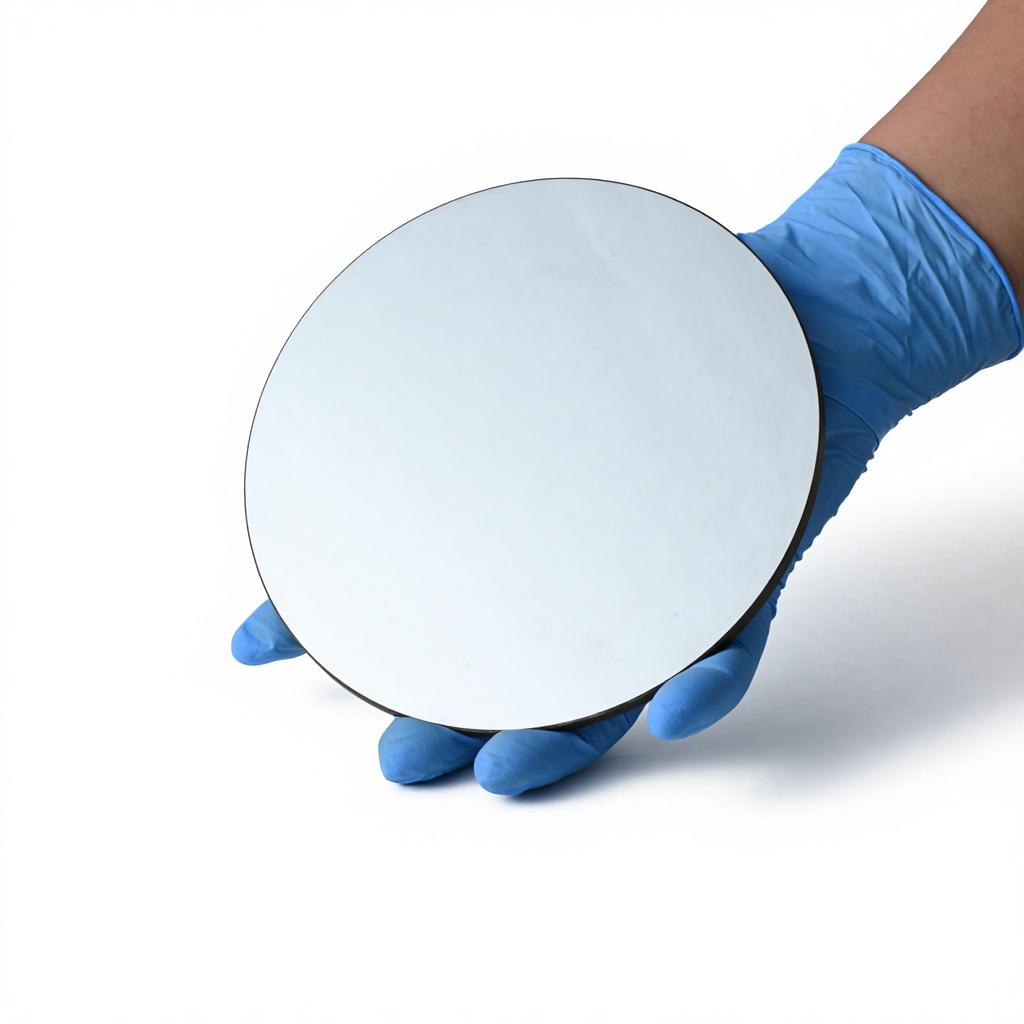
Silicon carbide is a compound semiconductor composed of silicon and carbon atoms. It is classified as a wide-bandgap semiconductor and is known for its high breakdown electric field, good thermal conductivity, and ability to support demanding power-electronics applications.
Unlike silicon, SiC exists in different crystal structures called polytypes. Among them, 4H-SiC is particularly important in modern power semiconductor devices because of its favorable electronic properties.
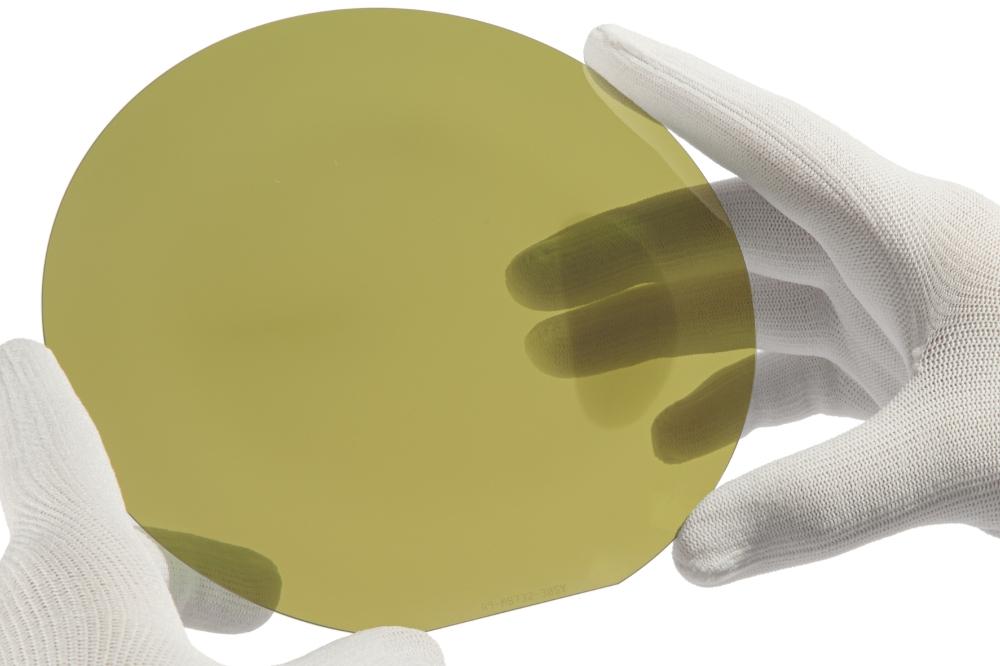
SiC substrates are used in the fabrication of power devices such as MOSFETs and Schottky barrier diodes. Semi-insulating SiC substrates are also important in certain radio-frequency and compound-semiconductor applications.
These characteristics make silicon carbide attractive for technologies where efficient power conversion, compact designs, and thermal management are critical.
3. Silicon vs Silicon Carbide: Key Material Properties
The fundamental differences between silicon and silicon carbide originate from their crystal structures and electronic properties.
The following comparison illustrates representative room-temperature material characteristics.
| Property | Silicon (Si) | Silicon Carbide (4H-SiC) |
|---|---|---|
| Bandgap | ~1.12 eV | ~3.26 eV |
| Critical electric field | ~0.3 MV/cm | ~2–3 MV/cm |
| Thermal conductivity | ~1.5 W/cm·K | ~3.7–4.9 W/cm·K |
| Crystal structure | Diamond cubic | Hexagonal |
| Technology maturity | Very mature | Developing and expanding |
| Relative substrate cost | Generally lower | Generally higher |
Note: Values are representative and may vary with temperature, doping, crystal quality, and measurement conditions. Thermal conductivity values for 4H-SiC can also vary with crystallographic direction.
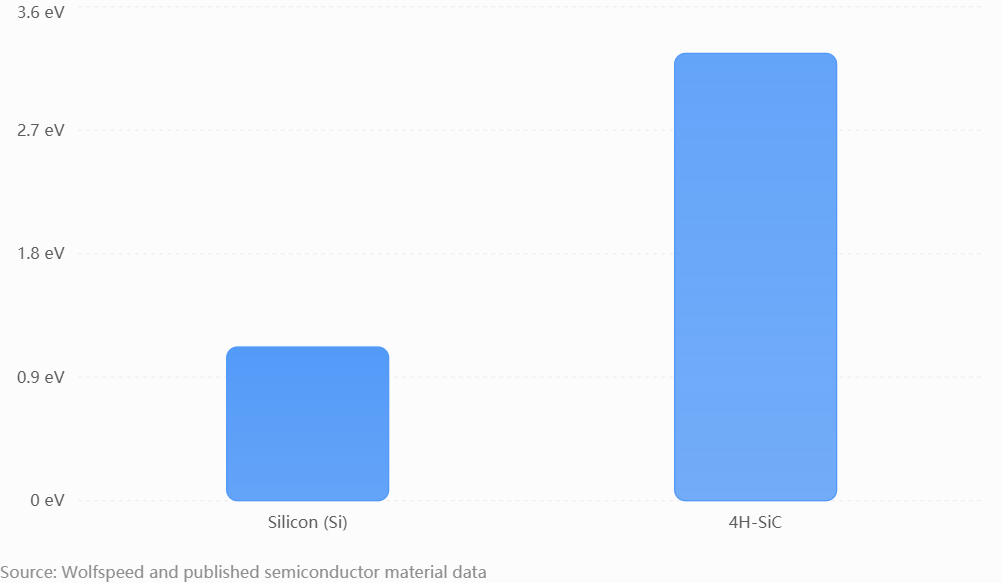
Silicon vs Silicon Carbide: Bandgap Comparison
The bandgap is the energy difference between the valence band and conduction band of a semiconductor.
Silicon has a bandgap of approximately 1.12 eV, while 4H-SiC has a much wider bandgap of approximately 3.26 eV.
This wider bandgap contributes to lower intrinsic carrier concentrations at elevated temperatures and helps enable devices intended for demanding power-electronics environments.
Higher Critical Electric Field
Silicon carbide can withstand a substantially higher electric field before electrical breakdown occurs.
For high-voltage power devices, this makes it possible to design thinner, more heavily doped voltage-blocking regions than would typically be practical with silicon.
The result can be lower device resistance and reduced conduction losses, although actual performance depends on the specific device structure and operating conditions.
Better Thermal Conductivity
Thermal management is an important consideration in power electronics.
4H-SiC generally has higher thermal conductivity than silicon, helping heat move through the semiconductor material more effectively.
This advantage can support higher power densities, but appropriate device packaging and thermal design remain essential.
4. Why Is Silicon Carbide Important for Power Electronics?
One of the most significant advantages of SiC is its potential to improve power-conversion efficiency.
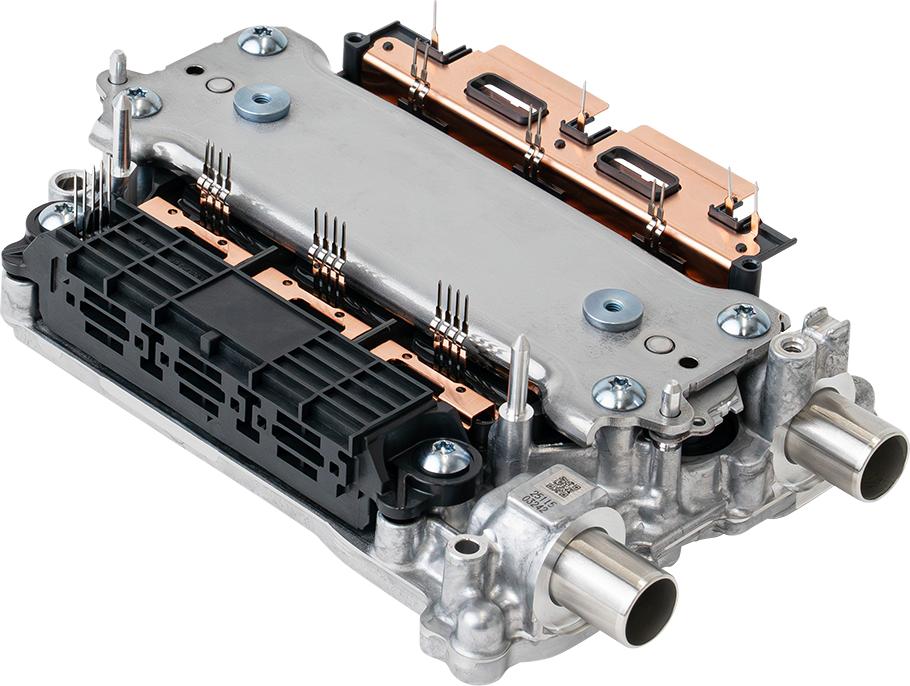
Power semiconductor devices are responsible for controlling and converting electrical energy in applications such as electric vehicle traction inverters, charging systems, renewable-energy inverters, and industrial drives.
Compared with conventional silicon devices in suitable designs, SiC power devices can offer:
- Lower switching losses.
- Improved performance at high operating voltages.
- Higher practical switching frequencies.
- Potentially smaller passive components and cooling systems.
- Greater flexibility in designing high-power-density converters.
These advantages are particularly valuable when improvements in energy efficiency and system size justify the additional semiconductor cost.
However, SiC is not automatically the best solution for every circuit. Voltage requirements, switching frequency, thermal conditions, reliability targets, and total system cost must all be considered.
5. Where Are Silicon and SiC Used?
Silicon: The Foundation of Mainstream Electronics
Silicon continues to dominate a broad range of semiconductor applications, including:
- Microprocessors and logic chips.
- DRAM and other memory technologies.
- CMOS image sensors.
- Analog and mixed-signal integrated circuits.
- Many low-voltage and cost-sensitive power devices.
Its extensive manufacturing infrastructure and mature device technology make it highly competitive.
Silicon Carbide: Enabling Advanced Power Systems
SiC is increasingly used in applications where high voltage, efficiency, and power density are important.
Electric Vehicles: SiC MOSFETs can help reduce power-conversion losses in traction inverters and certain charging systems.
Renewable Energy: Solar inverters and energy-storage converters can benefit from efficient high-voltage switching.
Industrial Power Electronics: SiC devices are used in selected high-performance motor drives, power supplies, and industrial conversion systems.
Charging Infrastructure: High-power charging equipment can use SiC devices to improve converter efficiency and power density.
The potential benefits depend on device selection and overall system design.
6. Why Hasn’t Silicon Carbide Replaced Silicon?
Despite its advantages, SiC faces several challenges.
First, growing high-quality single-crystal SiC is more difficult than producing conventional silicon crystals. Crystal defects, wafer processing, and material quality control remain important manufacturing considerations.
Second, SiC is an extremely hard material, which makes slicing, grinding, and polishing more challenging.
Third, the SiC device manufacturing ecosystem is smaller and less mature than the established silicon industry, although manufacturing technology continues to improve.
Finally, SiC substrates and devices generally remain more expensive than their conventional silicon counterparts.
For many applications, silicon still offers the most practical balance of performance, availability, and cost.
The future of semiconductor technology is therefore unlikely to involve a complete replacement of silicon. Instead, silicon and SiC will continue to serve different, sometimes overlapping, application requirements.
7. The Role of SiC Wafers in Semiconductor Manufacturing
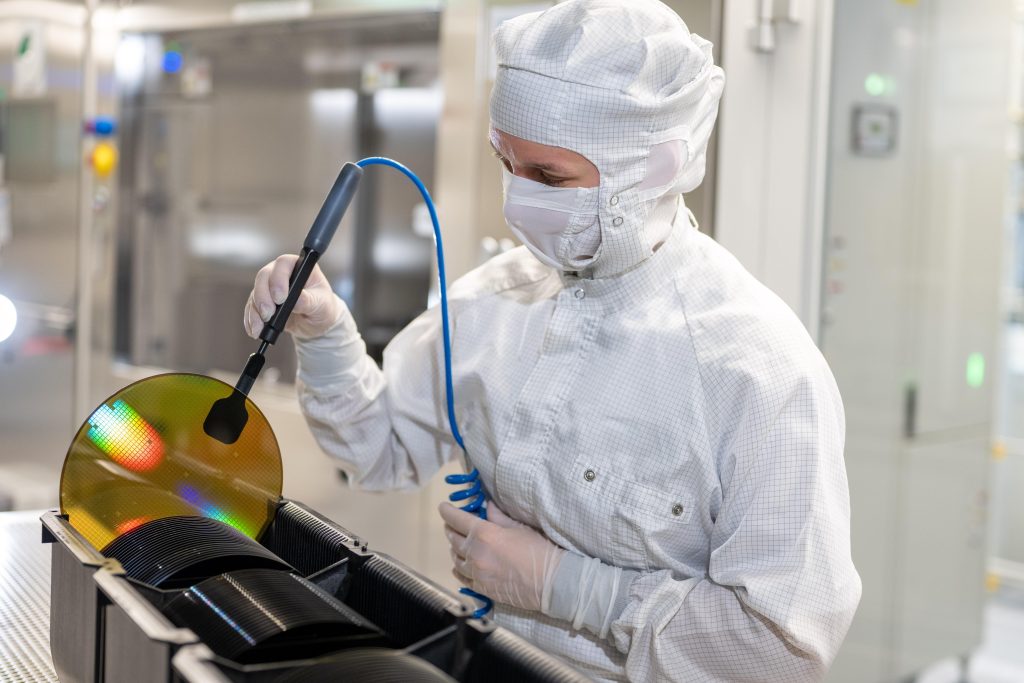
Behind every SiC power device is a semiconductor substrate whose material characteristics can influence subsequent processing and device performance.
Important substrate considerations include crystal polytype, conductivity type, crystallographic orientation, thickness, surface quality, and crystal defects.
N-type 4H-SiC substrates are widely associated with vertical power-device manufacturing, while semi-insulating SiC substrates support applications where electrical isolation is important.
As SiC technology develops, improvements in wafer quality, manufacturing yield, and substrate dimensions will continue to influence the economics of power semiconductor production.
Conclusion
Silicon and silicon carbide are both essential semiconductor materials, but their strengths lie in different areas.
Silicon remains the preferred choice for a wide range of mainstream electronic applications because of its maturity, scalability, and cost advantages.
Silicon carbide, particularly 4H-SiC, provides important performance advantages for selected high-voltage and high-efficiency power-electronics applications.
Rather than replacing silicon entirely, SiC is expanding the range of what modern semiconductor technology can achieve.
Explore Silicon Carbide Substrates
Explore our SiC Wafer product range or contact our team to discuss your material requirements and request a quotation.